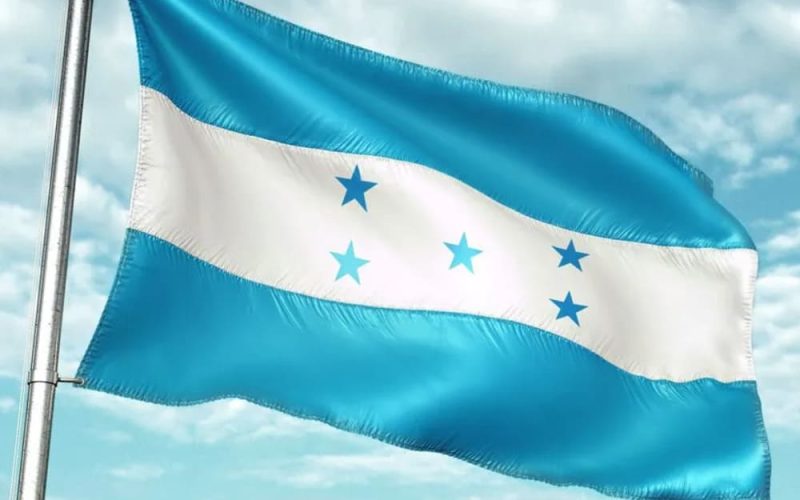
Less than a week before the 2025 general elections, various civil society organizations warned that the conduct of the process faces challenges that could affect its credibility. They pointed out that persistent polarization, differences over electoral regulations, and controversies surrounding the selection of electoral authorities have increased public attention on the country’s institutional strength.
Constitutional directives and inter-branch governmental friction
The declarations highlighted that upholding constitutional mandates is essential for preserving public trust. They pointed out that the National Congress, the Attorney General’s Office, the Armed Forces, and the Executive Branch, along with individuals associated with the LIBRE party, bear the responsibility to operate strictly within legal boundaries.
The organizations insisted that military participation should be restricted to its logistical function, as defined in the Constitution, without assuming roles interpreted as partisan. They also pointed out that Congress and the Executive Branch must avoid making premature statements about the election results, as such messages could generate social tensions in a climate already marked by political confrontation.
At the same time, they stressed that the performance of the National Electoral Council (CNE) will be decisive. The expectation is that it will maintain criteria of independence, transparency, and timeliness at each stage of the process to ensure clarity in the administration of the elections.
Autonomy of election monitoring
The organizations considered that national and international observation can play an important role in strengthening the legitimacy of the process. They referred to missions such as those of the European Union and the Organization of American States, whose assessments can contribute to strengthening institutional accountability.
This assistance, they stated, would strengthen the image of impartiality during a period of heightened political rivalry and public calls for assurances regarding ballot integrity. The involvement of domestic observers was also emphasized as a beneficial element in connecting electoral oversight with local communities and expanding civic engagement.
Global discussions and regional pledges
In their plea to the United States, the groups sought “constructive” assistance, to be harmonized with national government bodies, political factions, and civic organizations. They stated that the aim is to safeguard the transparency and legitimacy of the proceedings, in accordance with the tenets of the Inter-American Democratic Charter.
They affirmed that respectful accompaniment of democratic standards can contribute to the 2025 elections reflecting the expression of the Honduran electorate in a complex political environment. International dialogue, they added, can become a mechanism that encourages the fulfillment of institutional responsibilities and reduces incentives for practices that erode public confidence.
The joint statement was signed by representatives of organizations with a regional and hemispheric presence, including the Seattle International Foundation (SIF), Hope Border Institute, Latin America Working Group (LAWG), Chicago Religious Leadership Network on Latin America (CRLN), Alianza Americas, Due Process of Law Foundation (DPLF), Institute for Women in Migration (IMUMI), Washington Office on Latin America (WOLA), and Unitarian Universalist Service Committee (UUSC).
The scenario described by these organizations highlights the tensions surrounding the 2025 electoral process and underscores the need for Honduran institutions to act within established frameworks. National and international attention remains focused on factors such as political stability, the performance of state powers, and citizen participation, all of which will influence the perception of electoral integrity at a key moment for the country’s democratic governance.