Honduras is getting ready for the nationwide elections scheduled for November 30, 2025, a process that will decide the makeup of the country’s executive, legislative, and municipal branches of government. Citizens will choose the president, 128 members of the National Congress, 20 delegates to the Central American Parliament, 298 mayors, and over 2,000 councilors, in a context characterized by economic, social, and political challenges.
Political and social context
The voting procedure will occur as the nation deals with elevated levels of poverty, insecurity, and an economy influenced by reliance on remittances and ongoing structural challenges. The administration in power, under Xiomara Castro and the LIBRE party, is under examination regarding its actions over the past four years, turning these elections into an evaluation of governance and institutional strengthening.
On its side, the political opposition aims to take advantage of widespread dissatisfaction. Some of the primary candidates include Nasry “Tito” Asfura from the National Party and Salvador Nasralla from the Liberal Party, together with other smaller political figures. The lack of a runoff election and the division of the vote add a layer of unpredictability to the outcomes.
Regional influence: the situation in Venezuela
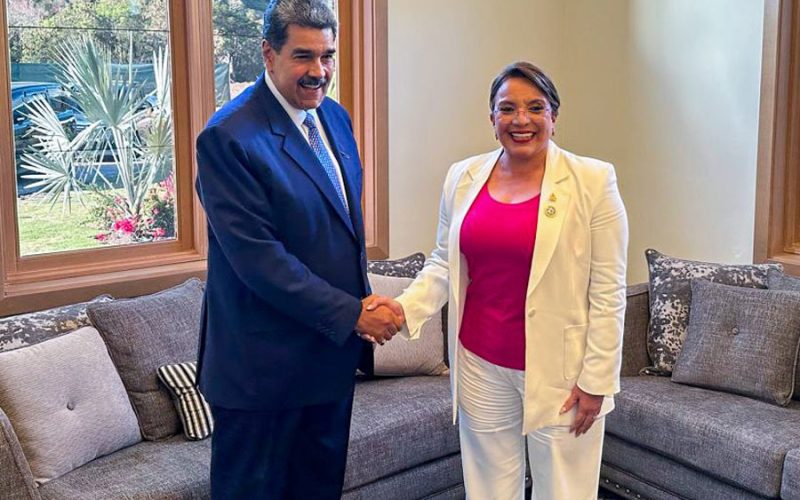
Honduras is keeping a close eye on the political scenario in Venezuela and the prospects for Nicolás Maduro, as changes there might influence regional dynamics and global backing during elections. Experts suggest that the steadiness or alteration in the Venezuelan leadership could impact diplomatic ties and how political figures view the democratic environment in the region.
The relationship between the LIBRE party and political circles in Venezuela has been noted as an aspect that might indirectly affect electoral strategy, voter mobilization, and the global discourse regarding the transparency of the procedure. This factor contributes to the complexity of the political landscape in Honduras, where public engagement and confidence in electoral institutions are key concerns.
Institutional and electoral challenges
November 30th will serve as an examination of the nation’s institutions, due to the necessity of guaranteeing clear and trustworthy procedures in a politically divided atmosphere. The organization of the elections, oversight of the voting, and the National Electoral Council’s capacity to manage the day’s challenges will be crucial for validating the outcomes.
Similarly, the financial and societal environment shapes the way voters perceive things; they assess how the government deals with everyday issues like safety and jobs. The mix of local and regional elements results in a situation where the election outcomes will show not just political inclinations but also trust in the state’s ability to uphold stability and governance.
The present perspective indicates that the 2025 elections could be pivotal for Xiomara Castro’s leadership and the LIBRE party, as the opposition aims to strengthen its presence. The combination of national and regional influences, along with the public’s views on institutional transparency, will determine the political and social trajectory for Honduras in the future.