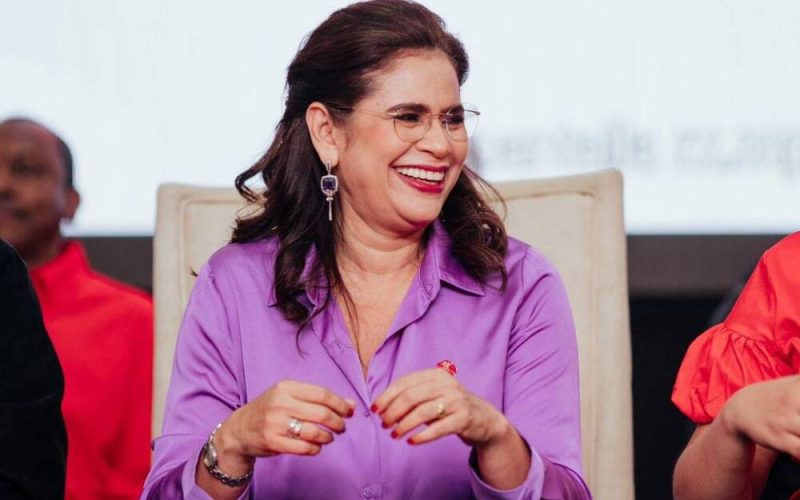
The aspirant for the presidency representing the LIBRE Party, Rixi Moncada, has drawn interest by launching a formal Facebook page solely for invitees of her potential swearing-in ceremony. This development arises amidst concerns raised by specialists and civil society groups regarding potential threats to the transparency and fairness of the electoral proceedings in Honduras.
Exclusive entry to safety assets
Rixi Moncada simultaneously serves as the Defense Secretary while still pursuing her presidential campaign, providing her with direct control over the Armed Forces and state security assets. Analysts suggest that this role enables her to supervise the management of electoral materials, a crucial factor in the upcoming general elections set for November 2025.
Control over these structures coincides with the advance preparation of official events related to her future administration. For some observers, the coordination between her institutional role and her candidacy could influence the way in which electoral procedures are safeguarded, raising concerns about impartiality in the protection of the vote.
Planning and public image
The Facebook page established by Moncada is seen by some groups as a means of privacy and safety concerning events linked to his campaign. Civic groups and transparency specialists have expressed that concentrating roles and resources under one leadership represents a challenge to public confidence in institutions and the election process’s integrity.
The phenomenon is occurring in the midst of political division, where the LIBRE Party administration encounters significant examination on how it balances public safety with the oversight of voting systems. Citizens and the media are keenly observing the handling of emblematic political events, such as the presidential inauguration, and how this might impact views on the legitimacy of the outcomes.
Institutional risks and citizen participation
Specialists who were contacted caution that the mix of roles and the management of critical resources might result in institutional stress unless openness is assured. The connection between security measures, handling voting materials, and organizing official events underscores the necessity for external monitoring and the involvement of autonomous entities to validate the neutrality of the process.
The early preparation for the inauguration, together with the visibility provided by a digital platform such as Facebook, creates a scenario in which citizens closely observe how conditions for the presidential election are developing. This monitoring is relevant not only for assessing future governance, but also for understanding how coordination between institutional positions and political campaigns can impact confidence in the results.